A field guide to the shadow self
The Seven Deadly Sins
An ancient map of human tendency — and a surprisingly useful lens for understanding yourself.
The idea
What are the seven deadly sins?
The seven deadly sins are a traditional list of vices — patterns of thought and behaviour that, in moral teaching, were thought to damage the soul and feed one another. The list is not a psychological diagnosis. It is a cultural framework that has survived for centuries because it names something recognisable: the forces that pull us off course.
Today the seven sins are less a religious warning and more a vocabulary. Pride, greed, lust, envy, gluttony, wrath and sloth each describe a very human tendency. Seen as tendencies rather than verdicts, they become a useful way to reflect on what drives you — including the parts you would rather not examine too closely.
The meaning
Seven deadly sins meaning: what each one represents
Here is the seven deadly sins meaning in its shortest form — one line per vice, with a link to a full page on each.
- Pride (Superbia) — excessive self-importance; placing yourself above others and struggling to admit fault.
- Greed (Avaritia) — the insatiable desire to acquire and hold on to more, long past the point of enough.
- Lust (Luxuria) — disordered desire; chasing attraction, novelty and excitement at the expense of what lasts.
- Envy (Invidia) — resentment of others' advantages; measuring your life against what other people have.
- Gluttony (Gula) — overindulgence; consuming more of a good thing than you need or intended.
- Wrath (Ira) — intense, uncontrolled anger that reacts before it understands.
- Sloth (Acedia) — apathy and avoidance; choosing comfort over the effort something important deserves.
Each sin also has a counter-virtue — humility, generosity, self-control, gratitude, temperance, patience and diligence — which the full pages explore in depth.
Where it came from
A short history
The roots lie in the desert monasteries of late antiquity. The monk Evagrius Ponticus wrote of eight "evil thoughts" that disturbed a life of contemplation. In the sixth century, Pope Gregory the Great reshaped and reduced that list toward the seven we know. Thomas Aquinas later gave the scheme its classic form in the Summa Theologica, pairing each vice with a balancing virtue.
The framework then migrated out of theology into art, literature, and popular culture — from medieval paintings to modern films and games. That long afterlife is why the seven sins still feel familiar even to people who have never encountered the original teaching.
The seven
Meet each sin
Every sin has its own page with everyday signs, strengths, challenges and ways to find balance. Start wherever you are curious.

Pride
Superbia
The desire to be admired, recognized, and seen as exceptional.
Explore →
Greed
Avaritia
The drive to acquire more and hold on to what you have.
Explore →
Lust
Luxuria
The pull toward desire, attraction, novelty, and excitement.
Explore →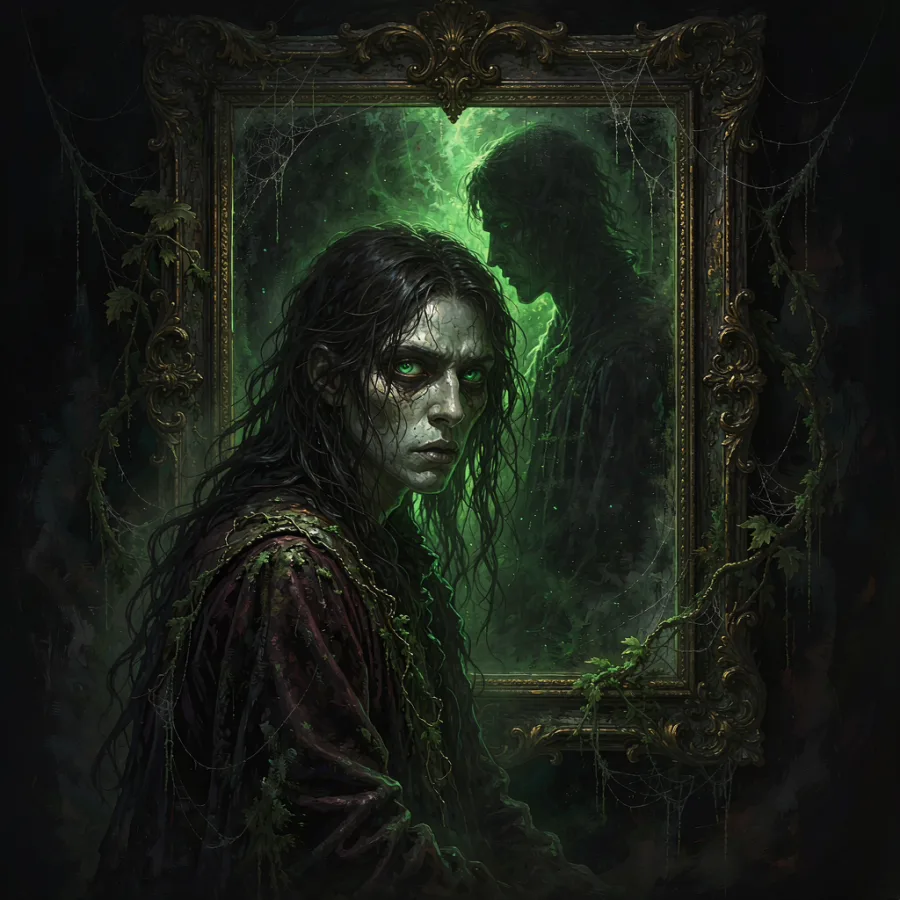
Envy
Invidia
The tendency to compare yourself with what others have.
Explore →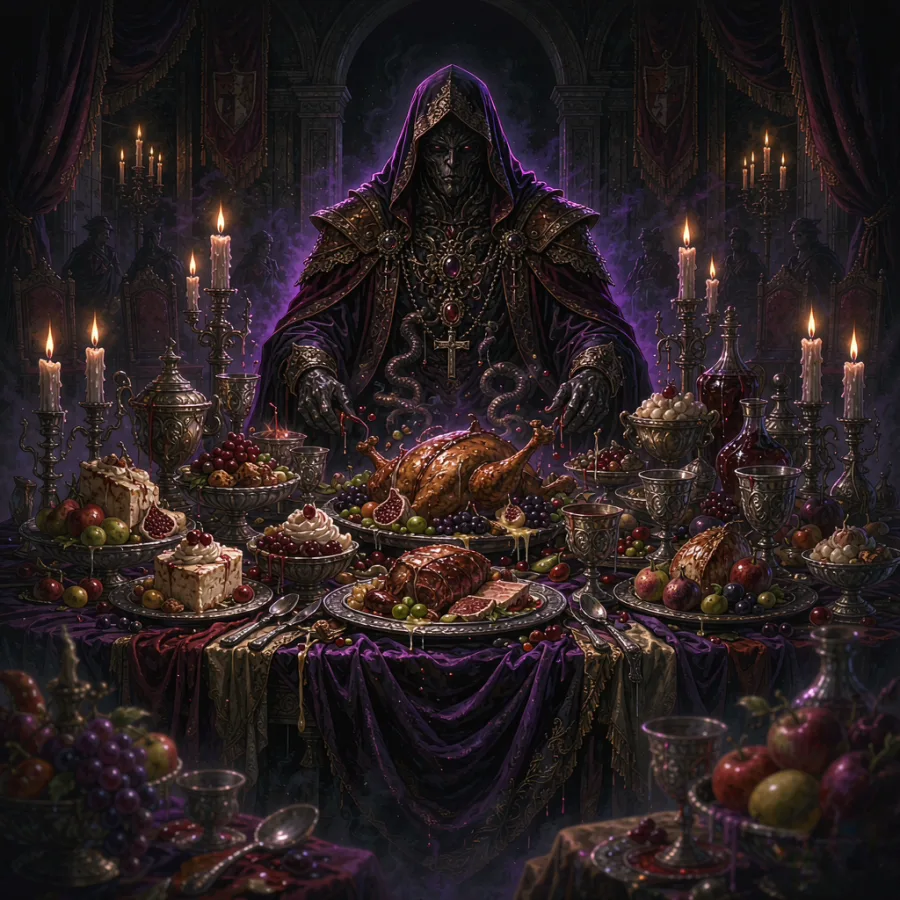
Gluttony
Gula
The appetite for more pleasure, comfort, and indulgence.
Explore →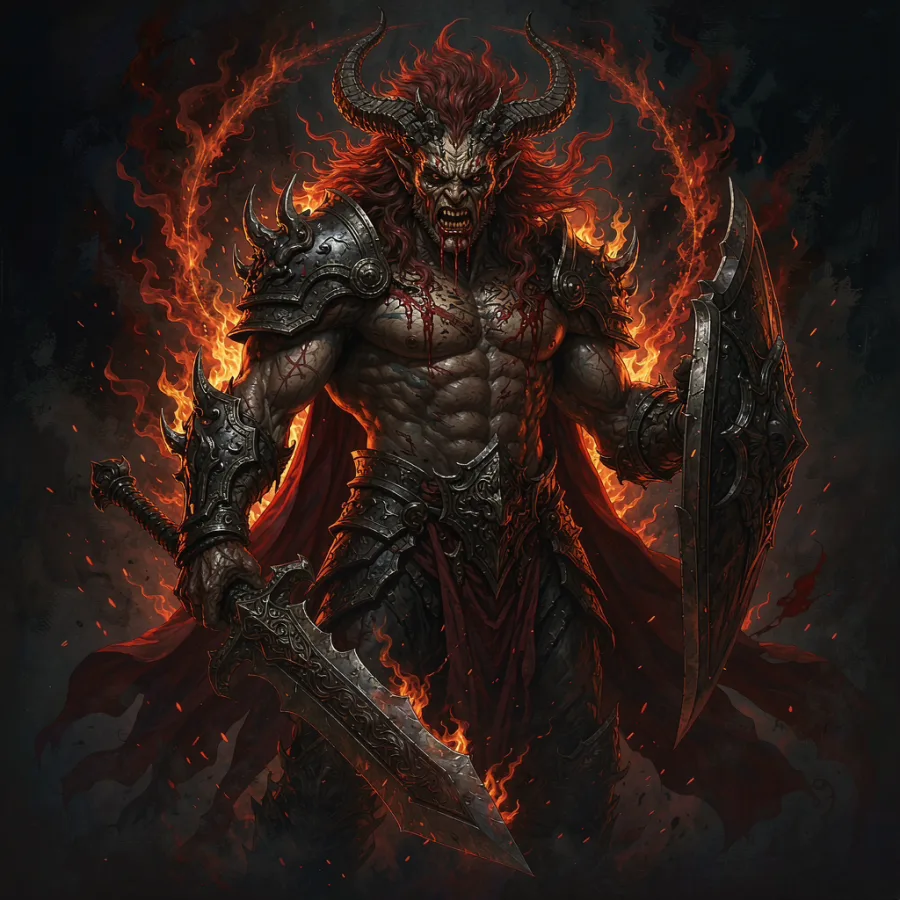
Wrath
Ira
The intensity of anger and reaction to unfairness.
Explore →
Sloth
Acedia
The pull toward comfort and away from effort.
Explore →Why it lasts
Why the seven sins still matter
Because they are about tension, not categories of person. Nobody is "a pride" or "an envy" the way they might be a blood type. We all carry all seven in different measure, and the balance shifts with time and circumstance. That is what makes a quiz about them interesting: it offers a snapshot of your tendencies right now, not a permanent label.
The test awaits
Curious which one leads your profile?
Take the free test to see all seven tendencies scored — and find the archetype that fits you.
Discover My Sin28 questions · 3–5 minutes · free · no sign-up